
By [Jawad Shah] – Finance & Expense Automation Specialist
Saving money should be simple, yet millions of people struggle every month despite earning a steady income. The problem is rarely about how much money someone makes. In most cases, people fail to save money because they lack visibility, structure, and consistent financial awareness.
This article explains why most people fail to save money, the common saving money mistakes behind it, and how using a simple expense tracker tool can fix the problem faster than traditional budgeting methods.
Why Most People Fail to Save Money Today

In today’s digital economy, money moves faster than awareness. Online payments, subscriptions, food delivery apps, and lifestyle inflation make spending effortless, while saving requires intention.
Most people fail to save money because:
- They do not track daily expenses
- They underestimate small spending habits
- They budget without real data
- They lack accountability and feedback
Without understanding where money actually goes, saving becomes guesswork rather than a system.
7 Shocking Reasons People Fail to Save Money
1. They Don’t Track Daily Expenses
One of the biggest reasons people fail to save money is the absence of daily expense tracking. Small, frequent purchases often feel insignificant, but collectively they drain monthly income.
Common examples include:
- Coffee and snacks
- Ride-hailing or delivery fees
- Micro-subscriptions
- Impulse online purchases
Without tracking, these expenses remain invisible. Over time, this lack of awareness destroys saving potential.
2. Overspending Habits Feel “Normal”
Overspending habits often develop quietly. Lifestyle upgrades, emotional spending, and convenience-based purchases become normalized.
Typical overspending behaviors include:
- Buying out of boredom or stress
- Matching peers’ spending levels
- Treating wants as needs
Because these habits feel normal, people rarely question them—making it harder to save money consistently.
3. Budgeting Without Real Data
Many people attempt budgeting without understanding their actual income vs expenses. Guess-based budgets fail because they are built on assumptions rather than facts.
Problems with traditional budgeting:
- Missing expense categories
- Underestimating variable costs
- Ignoring irregular expenses
A budget without data creates frustration instead of control.
4. No Cash Flow Visibility
Another key reason people fail to save money is poor cash flow visibility. When people do not know how much money remains after expenses, they lose control.
This leads to:
- End-of-month surprises
- Missed saving opportunities
- Dependence on credit
Clear cash flow visibility is essential for making informed financial decisions.
5. Lack of Financial Accountability
Saving money requires accountability. When spending is not reviewed or measured, habits rarely improve.
Without accountability:
- Mistakes go unnoticed
- Overspending repeats
- Financial self-control weakens
A reliable system that reflects spending behavior is critical for building strong money habits.
6. Manual Tracking Is Too Hard
Many people try manual expense tracking using notebooks or spreadsheets, but consistency quickly fades.
Common issues with manual tracking:
- Time-consuming data entry
- Forgotten transactions
- Lack of insights
When tracking feels like work, people quit—leading them back to uncontrolled spending.
7. No Simple Tool to Support Saving Habits
Ultimately, people fail to save money because they lack a simple budgeting tool that fits into daily life.
Modern saving requires:
- Automation
- Real-time insights
- Easy habit reinforcement
This is where an expense tracker tool becomes essential.
How an Expense Tracker Tool Fixes the Problem
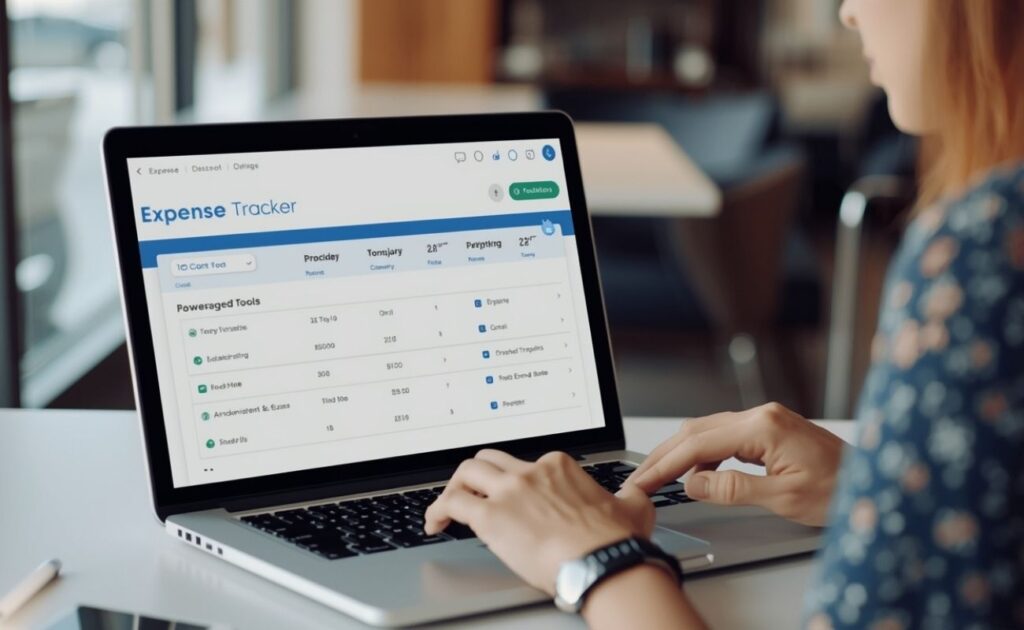
An expense tracker tool transforms saving money from a willpower challenge into a system-driven process.
Key benefits include:
- Automated expense tracking
- Real-time spending insights
- Clear spending patterns analysis
- Improved financial awareness
Instead of guessing, users make decisions based on actual data.
Why Expensetrackertool.com Makes Saving Simple
Expensetrackertool.com is designed for people who want clarity without complexity. It focuses on behavior change, not financial jargon.
Core advantages:
- Simple and intuitive interface
- Daily and monthly expense tracking
- Clear categorization of spending
- Easy identification of saving opportunities
By removing friction, the tool helps users build sustainable saving habits.
Benefits of Using an Expense Tracker Tool
| Benefit | Impact on Saving Money |
| Expense visibility | Eliminates blind spending |
| Spending pattern analysis | Identifies waste |
| Financial awareness | Improves decision-making |
| Accountability | Builds discipline |
| Reduced stress | Creates confidence |
Over time, these benefits lead to consistent saving, not short-term fixes.
Common Saving Money Mistakes (Quick Overview)
- Not tracking small expenses
- Ignoring spending patterns
- Budgeting without data
- Relying on memory
- Avoiding financial reviews
An expense tracker tool directly addresses each of these mistakes.
In Simple Terms
- People fail to save money because they don’t track it
- Awareness leads to control
- Control leads to better decisions
- Better decisions lead to savings
Expense tracking turns saving into a repeatable habit.
Fix the Problem Fast
Most people do not fail to save money because they are careless. They fail because they lack the right system. With proper expense tracking, saving becomes a natural outcome of informed decisions.
Using a simple expense tracker tool like Expensetrackertool.com helps replace confusion with clarity and stress with confidence. Saving money is no longer about trying harder—it is about tracking smarter.
Conclusion
Saving money is not about earning more or relying on willpower alone; it is about awareness, consistency, and using the right system. Most people fail to save money because they do not clearly understand their spending patterns or see where their money goes daily. Without that visibility, even the strongest financial intentions often fall apart.
By tracking expenses regularly and reviewing real spending data, individuals can replace guesswork with clarity and control. This is where a simple expense tracker tool makes a meaningful difference. Expensetrackertool.com helps users monitor daily and monthly expenses, identify wasteful habits, and build financial accountability without complexity.
Ultimately, saving money becomes far more achievable when accurate insights rather than assumptions guide decisions. With a practical tool like Expensetrackertool.com, users can turn better awareness into smarter decisions and transform saving money into a sustainable, long-term habit.
FAQs
Q: Why do most people fail to save money?
A: Most people fail to save money because they do not track their daily expenses or understand their spending patterns. Small, frequent expenses often go unnoticed, leading to overspending and poor financial awareness. Without clear expense tracking, saving becomes inconsistent and difficult.
Q: What are the most common saving money mistakes?
A: Common saving money mistakes include not tracking expenses, budgeting without real data, ignoring cash flow visibility, overspending on non-essential items, and relying on memory instead of a structured money management tool.
Q: How does expense tracking help people save money?
A: Expense tracking helps by increasing financial awareness and accountability. When people can see where their money is going in real time, they are more likely to control overspending, make informed decisions, and build consistent saving habits.
Q: Is budgeting alone enough to save money?
A: Budgeting alone is often not enough because budgets without accurate expense data are based on assumptions. Expense tracking provides real spending insights, making budgeting more realistic and effective for long-term money management.
Q: What is an expense tracker tool?
A: An expense tracker tool is a money management tool that records income and expenses, analyzes spending patterns, and provides insights to improve financial decisions. It helps users maintain cash flow visibility and develop better saving habits.
Q: How often should expenses be tracked?
A: Expenses should ideally be tracked daily to maintain accurate financial awareness. Daily expense tracking ensures small purchases are not overlooked and allows for better control over monthly spending.
Q: Can an expense tracker reduce overspending habits?
A: Yes, an expense tracker can significantly reduce overspending habits by making spending behavior visible. When users consistently review their expenses, they become more conscious of unnecessary purchases and are more likely to adjust their habits.
Q: What makes Expensetrackertool.com useful for saving money?
A: Expensetrackertool.com is useful because it offers simple, structured, and easy-to-understand expense tracking. It helps users analyze spending patterns, improve accountability, and manage money without the complexity of traditional budgeting methods.
Q: Is expense tracking effective for beginners?
A: Yes, expense tracking is especially effective for beginners because it builds financial awareness from the start. A simple tool like Expensetrackertool.com allows new users to track expenses without technical knowledge or financial expertise.
Q: What is the best way to start saving money consistently?
A: The best way to start saving money consistently is to first track expenses, understand spending patterns, and then make small adjustments based on real data. Using a reliable expense tracker tool helps turn saving into a repeatable habit rather than a short-term effort.

Finance & Expense Automation Specialist With 3 years of experience.