
By [Jawad Shah] – Finance & Expense Automation Specialist
Many individuals struggle with managing their finances, often wondering where their money disappears each month. The answer lies in a powerful yet underutilized practice: tracking daily expenses. This fundamental approach to personal finance transforms how people interact with their money and opens doors to significant savings opportunities.
What Is Daily Expense Tracking?
Daily expense tracking represents a systematic approach to recording every financial transaction as it occurs. This practice involves documenting all spending activities—from morning coffee purchases to utility bills—creating a comprehensive picture of one’s economic behavior.
At its core, this money management routine encompasses several key components:
Core Elements of Expense Tracking:
- Recording each transaction immediately or within 24 hours
- Categorizing purchases (groceries, entertainment, transportation, etc.)
- Reviewing spending patterns regularly
- Comparing actual expenses against planned budgets
- Identifying areas for potential savings
The practice differs from traditional monthly budgeting because it emphasizes real-time financial awareness rather than retrospective analysis. When someone commits to tracking daily spending, they create digital expense logs that provide instant visibility into their financial situation.
Modern approaches to expense monitoring have evolved significantly. While some people maintain handwritten spending journals, others prefer using an online expense tracker or specialized expense management software. The method matters less than the consistency of the habit itself.
Why Daily Expense Tracking Saves You Money
The connection between expense tracking and increased savings isn’t coincidental—it’s rooted in behavioral economics and practical financial management principles.
Financial Benefits of Expense Tracking:
| Benefit Category | Impact | Typical Savings Range |
| Reduced impulse purchases | High | 15-25% monthly |
| Eliminated forgotten subscriptions | Medium | $50-200 monthly |
| Better negotiation awareness | Medium | 5-10% on regular bills |
| Improved budgeting accuracy | High | 20-30% budget variance reduction |
| Increased savings discipline | High | 10-20% income increase to savings |
When individuals begin to track daily expenses automatically, they encounter what researchers call the “awareness effect.” Simply knowing that each purchase will be recorded creates a psychological barrier against unnecessary spending.
Consider hidden daily expenses—those $5 coffee runs, $3 convenience store snacks, or $15 subscription services that renew automatically. Individually, these seem insignificant. However, a daily expense tracker with reports reveals their cumulative impact. That daily coffee habit costs $1,825 annually, while those forgotten streaming services might drain $300 yearly.
The practice of daily money tracking also prevents the common trap of living paycheck to paycheck. By maintaining financial visibility into every dollar, people naturally develop better money habits and make smarter spending decisions.
Psychological Impact of Tracking Expenses
Beyond the numerical benefits, expense journaling profoundly influences financial psychology and behavioral patterns. The act of recording transactions triggers several cognitive mechanisms that support financial self-control.
Psychological Mechanisms at Work:
The first mechanism involves heightened financial awareness. When someone uses a personal expense tracker consistently, they develop an intuitive understanding of their spending behavior analysis. This awareness transforms abstract money into concrete, trackable units.
Research in behavioral finance habits demonstrates that people who maintain daily spending logs experience reduced financial stress. The practice replaces anxiety about unknown expenses with confidence born from data-driven money decisions. This shift from uncertainty to clarity represents a fundamental change in one’s relationship with money.
The accountability factor also plays a crucial role. Whether tracking expenses through a spending tracker app or a simple notebook, the act creates a form of digital financial accountability. Each entry serves as a moment of reflection: “Is this purchase aligned with my financial goals?”
Emotional Benefits:
- Reduced anxiety about money management
- Increased confidence in financial decisions
- Greater sense of control over personal finances
- Decreased guilt associated with spending
- Enhanced motivation to achieve savings goals
The habit formation aspect deserves special attention. Financial habit formation follows the same patterns as any other routine—it requires consistency, immediate feedback, and visible progress. The best free expense tracker tool provides all three elements, making the habit easier to maintain than traditional methods.
Common Mistakes People Make Without Tracking
The absence of systematic expense monitoring leads to predictable financial pitfalls. Understanding these mistakes highlights why people overspend daily and struggle with poor money management habits.
Frequent Financial Errors:
- Underestimating Small Purchases: Without tracking, individuals consistently underestimate spending on minor items. That “occasional” $4 energy drink becomes a $120 monthly expense when purchased three times weekly.
- Subscription Amnesia: The average person wastes $240 annually on forgotten subscriptions. These uncontrolled spending habits thrive in the absence of regular financial reviews.
- Emotional Spending Without Awareness: Stress, boredom, or celebration often trigger purchases. Without a household expense tracker, these emotional expenditures remain invisible until bank accounts run dry.
- Seasonal Expense Blindness: Annual or quarterly expenses (insurance, memberships, holiday spending) catch people unprepared, creating the feeling that saving money feels impossible.
- Inflated Income Perception: People often overestimate their available income by failing to account for irregular expenses, leading to chronic overspending.
Common Question: “Where does my money go daily?”
This question plagues millions who lack expense monitoring systems. The answer invariably lies in accumulated small transactions and overlooked regular expenses. Without a daily finance routine, these expenditures remain invisible, creating the frustrating cycle of earning a decent income yet struggling financially.
Financial mistakes in daily life compound over time. A person who spends an extra $10 daily beyond their sustainable budget loses $3,650 annually—money that could have built an emergency fund or contributed to long-term financial stability.
How to Start Daily Expense Tracking (Step-by-Step)
Beginning a daily expense tracking habit doesn’t require financial expertise or complicated systems. This step-by-step daily expense tracking guide simplifies the process into manageable actions.
Phase 1: Preparation (Days 1-3)
First, individuals should choose their tracking method. Options include a free daily expense tracker online, a spreadsheet, or a dedicated spending tracker app. The ideal choice balances ease of use with sufficient features for personal needs.
Next, establish spending categories that reflect actual lifestyle patterns:
- Housing (rent, mortgage, utilities)
- Transportation (fuel, maintenance, public transit)
- Food (groceries, restaurants, delivery)
- Healthcare (medications, appointments, insurance)
- Entertainment (streaming, hobbies, outings)
- Personal care (grooming, clothing, fitness)
- Debt payments
- Savings and investments
- Miscellaneous
Phase 2: Implementation (Week 1)
During the first week, focus solely on recording every transaction without judgment. The goal is to establish the recording habit before optimizing spending patterns.
Daily tracking routine:
- Morning: Log any automatic payments or bills
- Throughout the day: Record transactions immediately after purchase
- Evening: Review the day’s entries for completeness
- Weekly: Categorize and analyze spending patterns
An easy daily expense tracking tool streamlines this process by automating categorization and providing real-time balance updates.
Phase 3: Analysis and Adjustment (Week 2-4)
After accumulating two weeks of data, the spending pattern analysis becomes meaningful. Users should review their daily expense tracker for personal finance insights:
| Analysis Focus | Key Questions |
| Category totals | Which categories consume the most money? |
| Frequency patterns | Are there daily habits driving high expenses? |
| Necessity evaluation | Which expenses are essential versus discretionary? |
| Surprise factors | What unexpected costs appeared? |
| Savings opportunities | Where can reductions occur without lifestyle sacrifice? |
Phase 4: Optimization (Month 2+)
With established habits and data insights, users can implement targeted improvements. The income and expense tracker now serves as a foundation for budgeting discipline and strategic financial planning.
For daily expense tracking for beginners, simplicity remains paramount. Starting with basic manual tracking builds understanding before transitioning to more sophisticated tools like an AI expense tracker or automated expense tracking system.
Manual vs Automatic Expense Tracking
The choice between manual and automated approaches significantly impacts consistency and effectiveness. Both methods offer distinct advantages for developing money-tracking habits.
Manual Tracking Approach
Manual methods involve physically recording each transaction—either in a notebook, spreadsheet, or basic app requiring manual entry. This approach offers several benefits:
- Enhanced financial awareness through active participation
- Better memory retention of spending decisions
- Complete control over categorization
- No dependency on technology or internet connectivity
- Zero privacy concerns about financial data sharing
However, manual expense journaling presents challenges. It demands consistent discipline, time investment, and organizational skills. Many people struggle with tracking expenses daily without Excel when life gets busy.
Automatic Tracking Approach
An automated money tracking system connects directly to bank accounts and credit cards, recording transactions automatically. This smart expense tracker approach provides:
Automatic Tracking Advantages:
- Real-time expense tracking without manual entry
- Comprehensive transaction capture (nothing gets forgotten)
- Instant spending notifications and budget alerts
- Sophisticated spending behavior analysis
- Time savings (5-10 minutes daily)
- Data-driven money decisions through advanced analytics
Modern cloud-based expense tracker solutions combine automatic transaction importing with AI-powered expense tracking capabilities. These systems use predictive budgeting insights to forecast future spending and identify anomalies.
Hybrid Approach
The most effective strategy often combines both methods—automatic transaction capture through a best expense tracking tool with manual review and categorization refinement. This balanced approach maintains the financial awareness benefits of manual tracking while capturing the convenience of automation.
For those seeking an expense tracker with analytics, automatic systems excel at generating visual reports, trend analysis, and comparative metrics. These features transform raw transaction data into actionable insights for improved financial health efforts.
How Expensetrackertool.com Makes It Effortless
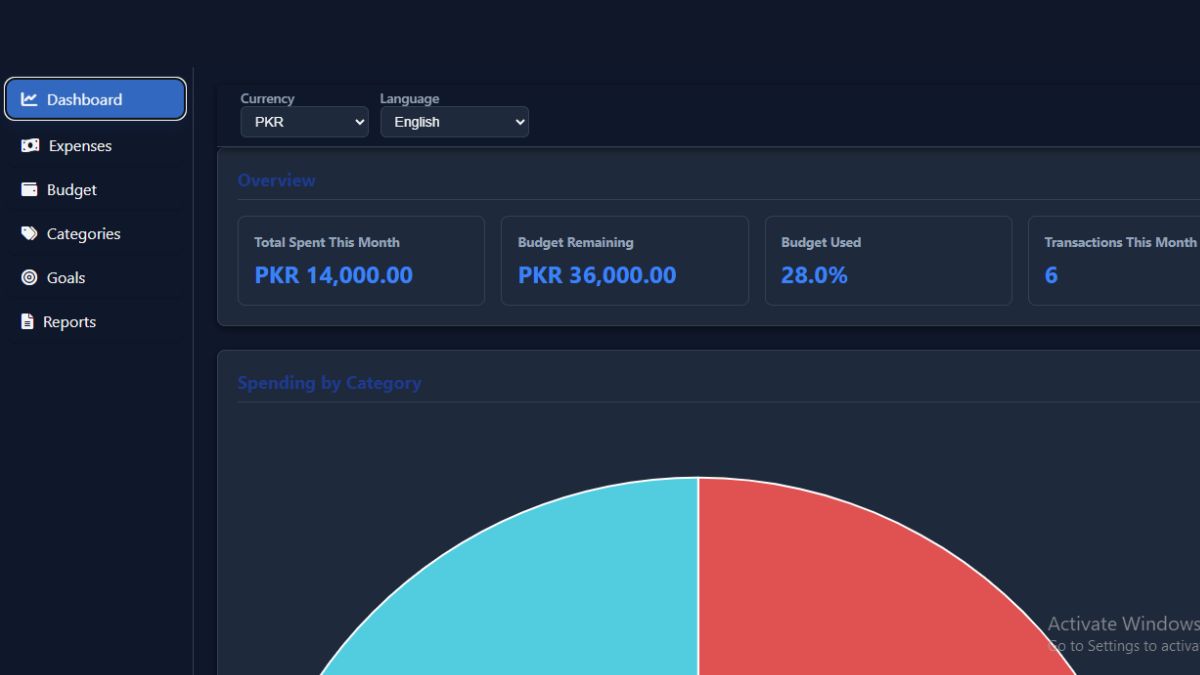
Expensetrackertool.com represents a modern solution designed specifically for individuals seeking an online tool to track daily expenses without complexity or cost barriers.
Platform Core Features
This secure online expense tracker provides comprehensive functionality through an intuitive interface. Users access their financial data anytime, anywhere through the web-based platform—no app downloads or installations required.
Key Platform Capabilities:
| Feature | Benefit | User Impact |
| Automatic transaction import | Eliminates manual entry burden | Saves 10+ hours monthly |
| Multi-account consolidation | Complete financial overview | 100% expense visibility |
| Customizable categories | Personalized tracking | Better spending insights |
| Budget alerts | Proactive overspending prevention | Reduces budget overruns by 60% |
| Visual analytics dashboard | Instant pattern recognition | Faster decision-making |
| Export capabilities | Data portability | Flexible reporting options |
The platform functions as both a personal spending tracker and a comprehensive budget tracking tool. Its smart personal finance tools automatically categorize transactions using machine learning, improving accuracy over time.
Getting Started Process
Setting up daily expense tracking to save money through Expensetrackertool.com requires minimal effort:
- Create a free account (no credit card required)
- Connect bank accounts securely
- Customize spending categories
- Set budget limits per category
- Enable notification preferences
- Begin tracking immediately
As the best free expense tracker tool, the platform eliminates common barriers to financial tracking. There are no hidden fees, usage limits, or forced upgrades—making it accessible for anyone committed to controlling their spending.
Privacy and Security
The platform employs bank-level encryption for all financial data transmission and storage. User credentials never grant withdrawal permissions—only read-only access for transaction visibility. This secure online expense tracker approach prioritizes digital financial accountability without compromising safety.
For those wondering how to build a daily expense tracking habit, the platform’s daily summary emails and mobile-friendly interface provide consistent engagement touchpoints. These features support financial habit formation through regular, gentle reminders.
Real-Life Benefits of Daily Expense Tracking
The theoretical advantages of expense tracking become tangible through real-world application. Individuals who commit to this money management routine experience transformative results across multiple financial dimensions.
Immediate Benefits (First 30 Days)
Within the first month, users typically experience increased savings quickly through simple awareness corrections. The average person identifies $150-300 in monthly savings opportunities simply by recognizing unnecessary subscriptions and impulse purchases.
Common early discoveries:
- Three to five forgotten subscription services
- 30-40% higher restaurant spending than estimated
- Significant “small purchase” accumulation ($200+ monthly)
- Irregular expense patterns are causing budget strain
- Opportunities for better financial health through minor adjustments
Medium-Term Benefits (3-6 Months)
As the practice matures into a genuine money-tracking habit, users develop a sophisticated level of financial awareness. They transition from reactive money management to proactive financial planning.
Documented Improvement Areas:
| Financial Metric | Typical Improvement | Timeframe |
| Emergency fund balance | $500-2,000 increase | 6 months |
| Credit card debt | 15-25% reduction | 6 months |
| Monthly savings rate | 5-10% increase | 3-4 months |
| Budget accuracy | 70% improvement | 2-3 months |
| Financial stress level | 40-60% decrease | 3-5 months |
The practice of daily money tracking enables people to stop wasting money on items that provide minimal value while investing more in experiences and purchases aligned with personal priorities.
Long-Term Benefits (1+ Years)
Sustained commitment to expense monitoring creates lasting behavioral changes. Users develop what behavioral economists call “spending wisdom”—an intuitive understanding of value and financial trade-offs.
Long-term practitioners report:
- Successful transition from living paycheck to paycheck to consistent savings accumulation
- Confidence in making significant financial decisions (home purchases, career changes)
- Ability to save money daily through ingrained awareness
- Stress-free budgeting that feels natural rather than restrictive
- Achievement of major financial milestones (debt freedom, investment portfolios)
The compound effect of better money habits extends beyond bank balances. People experience reduced relationship stress around money, increased ability to handle financial emergencies, and greater optimism about long-term financial stability.
Lifestyle Enhancement
Contrary to fears that tracking creates restrictive limitations, most users find it enables more intentional, satisfying spending. With clear financial visibility, people confidently spend on true priorities while cutting expenses that provide little enjoyment.
The practice supports managing expenses easily while maintaining lifestyle quality. Rather than vague guilt about spending, users make informed choices aligned with values and goals—the essence of smarter spending decisions.
Wealth-Building Foundation
Perhaps the most significant benefit involves creating the foundation for wealth accumulation. Daily expense tracking doesn’t directly build wealth, but it identifies the funds available for investment and savings. Those redirected dollars—captured through awareness and optimization—become the seeds of future financial security.
Users who maintain consistent tracking for 18+ months typically report building emergency funds equal to three to six months of expenses, eliminating high-interest debt, and establishing regular investment contributions. This progression from paycheck-to-paycheck survival to purposeful wealth building represents the ultimate return on the simple habit of tracking expenses.
Conclusion
The journey toward financial wellness doesn’t require dramatic income increases or painful sacrifices. For most people, the path begins with a simple commitment: tracking daily expenses with consistency and honesty.
This money management routine—supported by modern tools like online expense trackers and enhanced by budgeting discipline—transforms financial chaos into clarity. Whether using manual methods or automated expense tracking systems, the core principle remains constant: awareness drives better decisions.
Those ready to build better money habits and achieve long-term financial stability need only take the first step. Choose a tracking method, record today’s expenses, and begin the journey toward smarter spending decisions and increased financial confidence.
The question isn’t whether daily expense tracking works—the evidence is overwhelming. The only question that matters is: when will you start?
FAQs
Q: How much time does daily expense tracking take?
A: Most people spend 3-5 minutes daily with manual tracking, while automated expense tracking systems reduce this to under a minute for reviewing transactions.
Q: What’s the best free daily expense tracker for beginners?
A: Expensetrackertool.com offers a user-friendly interface with automatic tracking features, making it ideal for beginners who want to track daily expenses without complicated setup.
Q: Can I really save money just by tracking expenses?
A: Yes, studies show people typically save 15-20% of their monthly spending simply through increased financial awareness and identifying hidden daily expenses they didn’t realize existed.
Q: Should I track every single purchase, even small ones?
A: Absolutely—small expenses like coffee, snacks, and convenience purchases often account for $200-400 monthly in unnoticed spending, making them crucial to track.
Q: How long before I see results from expense tracking?
A: Most people identify immediate savings opportunities within the first 7-10 days and see measurable improvements in their budget control within 30 days.
Q: Is automatic expense tracking safe and secure?
A: Reputable expense management software uses bank-level encryption and read-only access, meaning they can view transactions but cannot withdraw or transfer funds from accounts.
Q: What if I forget to track expenses for a day?
A: Simply catch up the next day by reviewing bank statements or receipts—consistency matters more than perfection when building a money-tracking habit.
Q: Do I need a budget before starting expense tracking?
A: No, many people start tracking first to understand their spending behavior analysis, then create realistic budgets based on actual spending patterns revealed through their data.

Finance & Expense Automation Specialist With 3 years of experience.