By [Jawad Shah] – Finance & Expense Automation Specialist
Managing finances effectively has become more crucial than ever, as consumer spending trends for 2026 indicate rising costs across essential categories. The good news? Anyone can master smart money management without spending a fortune on expensive software. This comprehensive guide provides tips for Manage Personal Budget in 2026 and reveals the best free budgeting tools that help individuals take control of their financial future.
Why Personal Budgeting Matters More in 2026
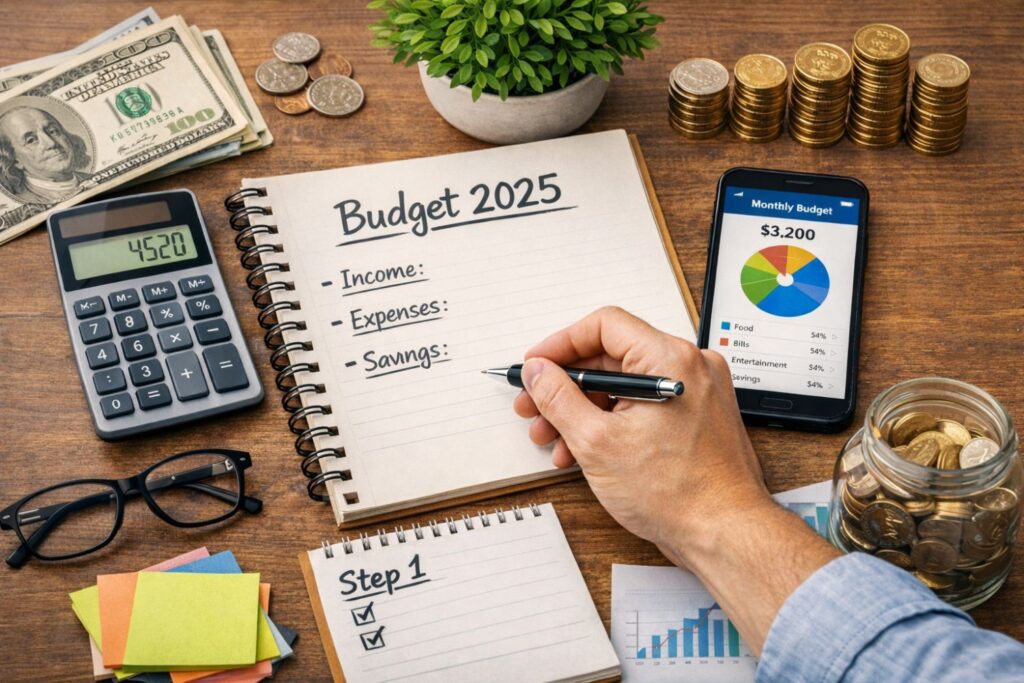
Financial literacy 2026 starts with understanding where money goes each month. With inflation continuing to impact household budgets, learning how to manage a personal budget in 2026 has transitioned from optional to essential. Effective budgeting strategies provide clarity, reduce financial stress, and create pathways toward meaningful savings goals.
The landscape of personal finance has evolved dramatically. Since Mint discontinued its services in 2024, many individuals have searched for reliable alternatives. Fortunately, numerous personal finance apps with free options have emerged, offering powerful features that rival paid solutions.
Key benefits of budgeting include:
- Clear visibility into spending patterns
- Reduced financial anxiety
- Faster debt payoff planning
- Building emergency fund budgeting habits
- Achieving short-term financial goals and long-term budget planning objectives
Top Budgeting Methods & Techniques
Choosing the right approach makes all the difference. Here are proven budgeting methods for beginners in 2026 that anyone can implement immediately.
The 50/30/20 Rule Budgeting
This simple framework divides income into three categories: 50% for needs, 30% for wants, and 20% for savings. The 50/30/20 budgeting rule works exceptionally well for those new to household budget planning because it provides structure without overwhelming complexity.
Zero-Based Budgeting Method
The zero-based budgeting approach assigns every dollar a specific purpose before the month begins. Income minus expenses should equal zero, ensuring conscious decisions about where money flows. This technique promotes intentional spending and helps individuals optimize their monthly budget effectively.
Envelope Budgeting System
Traditionally cash-based, the envelope budgeting system has gone digital. Apps like Goodbudget bring this time-tested method into the modern era, allowing users to allocate funds into virtual envelopes for different spending categories.
Automated Budgeting
Technology enables people to automate their budget through scheduled transfers and automatic savings. This “set and forget” approach leverages AI-powered budget management to reduce manual tracking while maintaining financial discipline.
Sinking Funds Method
The sinking fund method involves setting aside money regularly for irregular expenses like annual insurance premiums or holiday shopping. This proactive approach prevents budget disruptions when larger bills arrive.
Best Free Budgeting Tools for 2026
Finding the right tools can transform financial management from overwhelming to effortless. These free budgeting software recommendations offer robust features without subscription fees.
Comparison of Top Free Budgeting Tools
| Tool | Best Feature | Ideal For | Automation Level |
| ExpenseTrackerTool.com | Real-time spending tracker | Daily expense tracking | High |
| Google Sheets Budget Templates | Full customization | Detail-oriented users | Manual |
| Excel Personal Budget Template | Offline access | Traditional spreadsheet users | Manual |
| PocketGuard | Spending insights | Quick budget checks | Medium |
| Goodbudget | Virtual envelopes | Cash-based budgeters | Low |
| YNAB (Trial) | Zero-based approach | Committed learners | Medium |
ExpenseTrackerTool.com
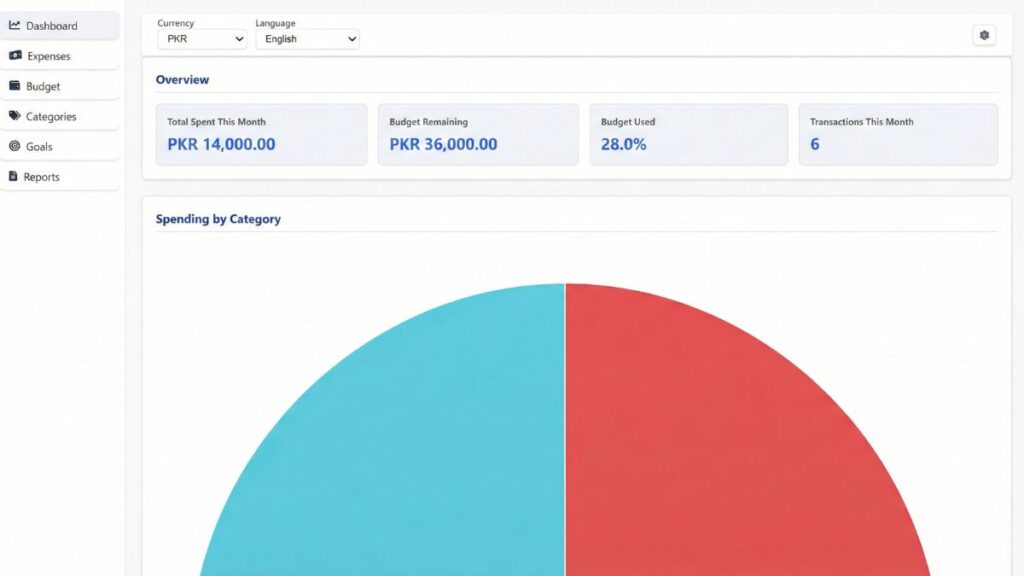
As a comprehensive online expense-tracking tool, ExpenseTrackerTool.com offers automated expense categorization, saving hours of manual data entry. The platform provides real-time expense monitoring and smart insights for spending patterns, making it one of the best free expense trackers available today.
Key features include:
- Track expenses automatically through bank connections
- Analyze monthly expenses with visual reports
- Track spending categories effortlessly
- Recurring expense tracking for subscriptions
- Daily expense log capabilities
- Secure online money management tools with bank-level encryption
Google Sheets Budget Template
For those who prefer customization, Google Sheets budget templates offer unlimited flexibility. Users can create personalized budget templates for personal finance that match their exact needs. The cloud-based nature ensures access from any device.
Excel Budgeting Spreadsheets
Excel budgeting spreadsheets remain popular among users who value offline functionality. Numerous free templates provide starting points that individuals can modify based on their unique financial situations.
Mobile Budget Tracker Tools
Several mobile budget tracker tools bring financial management to smartphones. PocketGuard excels at showing available spending money after accounting for bills and savings goals, while Copilot Money offers beautiful interfaces with AI-based budgeting tools capabilities.
Open-Source Budgeting Tools
Privacy-conscious users appreciate open-source budgeting tools like Actual Budget and Firefly III. These platforms provide complete data control without relying on third-party servers.
How to Manage Personal Budget in 2026: Step-by-Step Guide
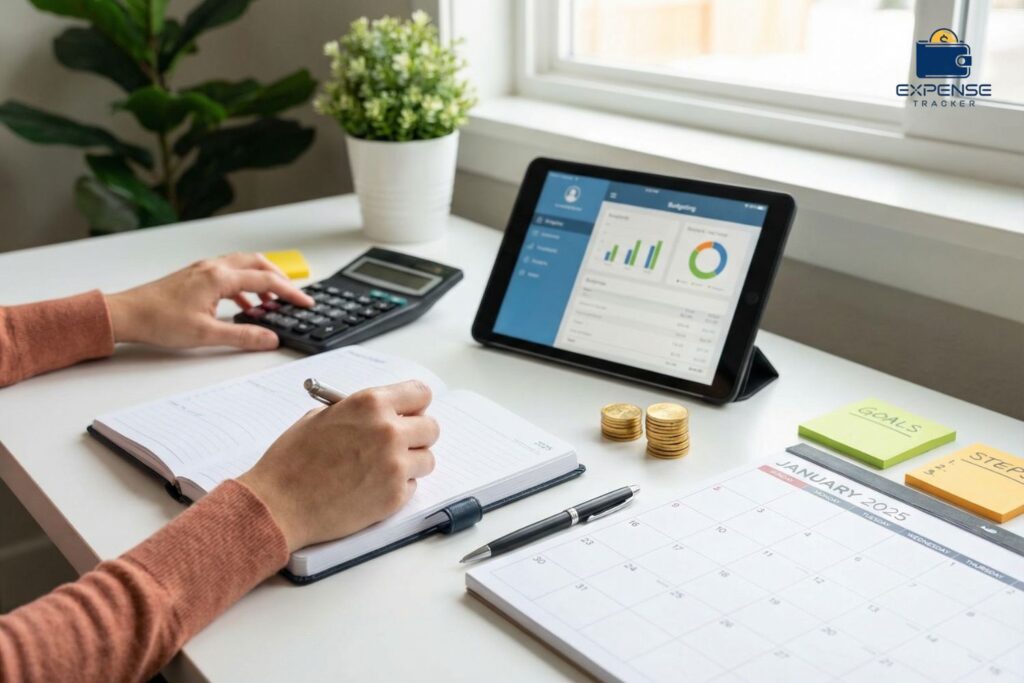
Understanding how to create a personal budget doesn’t require financial expertise. Follow this step-by-step budgeting process to establish solid financial management foundations.
Step 1: Calculate Total Income
Begin by documenting all income sources. This includes salaries, freelance work, rental income, and any other regular earnings. Accurate income tracking forms the foundation for learning how to manage income and expenses effectively.
Step 2: Track Current Spending
Implement expense tracking techniques by recording every purchase for at least 30 days. Use a daily expense log to capture even small transactions. This honest assessment reveals actual spending patterns rather than perceived ones.
Step 3: Categorize and Analyze
Group expenses into categories such as housing, transportation, food, and entertainment. Analyze monthly expenses to identify areas consuming the largest portions of income. This awareness drives informed decisions about potential adjustments.
Step 4: Set Clear Financial Goals
Define specific objectives for both immediate and future needs. Financial goal tracking should include:
- Emergency fund budgeting (3-6 months of expenses)
- Debt payoff planning with target dates
- Short-term financial goals like vacation funds
- Long-term budget planning for retirement or home purchases
- Budgeting for savings goals such as down payments
Step 5: Choose Your Method and Tool
Select a budgeting approach that aligns with personal preferences. Then identify the best budgeting tools to use in 2026 that support the chosen method. For comprehensive tracking, platforms like ExpenseTrackerTool.com offer features supporting multiple budgeting philosophies.
Step 6: Implement Automation
Set up automated budgeting features wherever possible. Schedule automatic transfers to savings accounts and enable bill pay through banking apps. Predictive budgeting tools can forecast upcoming expenses based on historical patterns.
Step 7: Monitor and Adjust
Regular reviews ensure budgets remain aligned with current circumstances. Real-time spending tracker tools provide immediate feedback, enabling quick corrections when spending exceeds planned amounts.
Advanced Tips for Smart Money Management
Beyond basic budgeting, these strategies enhance financial success.
Inflation-Proof Budgeting
Budgeting for inflation in 2026 requires building flexibility into spending plans. Regularly review and adjust budget categories to reflect current prices. Focus on budgeting strategies for inflation and rising costs by prioritizing essential expenses and finding creative ways to reduce discretionary spending.
Develop Smart Spending Habits
Smart spending habits include:
- Comparing prices before purchases
- Using cash-back programs strategically
- Avoiding impulse buying through waiting periods
- Buying quality items that last longer
- Taking advantage of seasonal sales for planned purchases
Leverage Technology Effectively
Machine learning in personal finance enables increasingly sophisticated tools. Features like automated expense categorization and AI-powered budget management reduce administrative burden while improving accuracy.
How to Stick to a Personal Budget Using Free Tools
Understanding how to stick to a personal budget using free tools separates successful budgeters from those who abandon their plans.
Practical strategies include:
- Start with realistic expectations rather than overly restrictive limits
- Use savings target tools to visualize progress
- Review budgets weekly during the first month
- Celebrate small wins to maintain motivation
- Adjust categories as needed without guilt
- Join online communities for accountability
- Set up alerts through mobile budget tracker tools for spending limits
Conclusion
Managing finances effectively in 2026 doesn’t require expensive software or financial expertise. With the right combination of digital budgeting methods and free tools to track daily expenses, anyone can achieve their financial objectives. The key lies in selecting approaches that fit individual lifestyles and consistently applying them.
Start today by choosing one of the top budgeting methods for beginners in 2026, then select appropriate tools to support that approach. ExpenseTrackerTool.com offers a comprehensive platform that accommodates various styles for Manage Personal Budget in 2026 while providing the automation and insights needed for success.
Remember, perfect budgets don’t exist—only budgets that work for specific situations. Focus on progress rather than perfection, adjust as circumstances change, and watch financial confidence grow month by month.
FAQs
Q: What is the 50/30/20 rule, and how does it work?
A: The 50/30/20 rule divides after-tax income into three categories: 50% for needs (housing, food, utilities), 30% for wants (entertainment, dining out), and 20% for savings and debt repayment. It’s one of the simplest budgeting frameworks for beginners.
Q: Are free budgeting tools really safe to use?
A: Yes, reputable free budgeting tools use bank-level encryption and read-only access to protect financial data. Always choose tools with strong security credentials and positive user reviews.
Q: How often should someone review their personal budget?
A: Beginners should review their budget weekly for the first month, then transition to bi-weekly or monthly check-ins once the system is established. Adjust immediately when income or major expenses change.
Q: What’s the difference between budgeting and expense tracking?
A: Expense tracking records where money goes, while budgeting plans where money should go before spending it. Both work together—tracking shows actual spending patterns that inform better budget planning.
Q: Can budgeting apps connect to all banks?
A: Most popular budgeting apps connect to thousands of financial institutions, but some smaller credit unions or international banks may not be supported. Many tools also allow manual transaction entry as an alternative.
Q: What happened to the Mint budgeting app in 2024?
A: Mint was discontinued by Intuit in late 2023/early 2024, leaving millions of users searching for alternatives. This created demand for free budgeting tools like ExpenseTrackerTool.com, PocketGuard, and Goodbudget.
Q: How much should be saved in an emergency fund?
A: Financial experts recommend saving 3-6 months of essential expenses in an easily accessible emergency fund. Start with a smaller goal like $500-$1,000, then gradually build toward the full amount.
Q: What is zero-based budgeting, and who should use it?
A: Zero-based budgeting assigns every dollar of income a specific job until income minus expenses equals zero. It’s ideal for people who want detailed control over their money and are willing to spend time planning their monthly budget.
Q: Can someone budget effectively with irregular income?
A: Yes, people with irregular income should budget based on their lowest typical monthly earnings, prioritize essential expenses first, and build a larger emergency fund to cover income fluctuations between high and low months.
Q: Do budgeting apps work offline?
A: Some tools like Excel spreadsheets and Google Sheets (with offline mode enabled) work without internet, while most mobile budgeting apps require connectivity to sync transactions. Choose based on your access to reliable internet.

Finance & Expense Automation Specialist With 3 years of experience.